
Mizuno, Slazenger, Ashworth and more
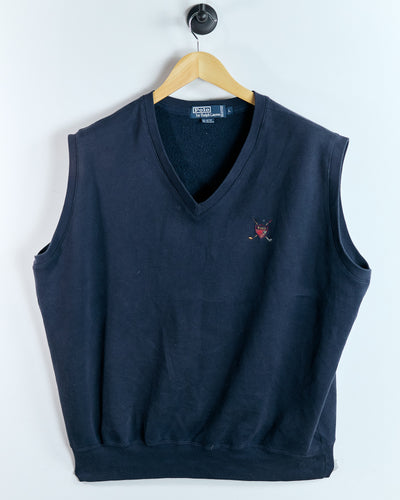
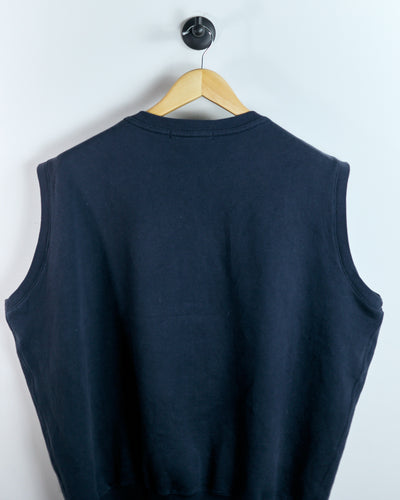
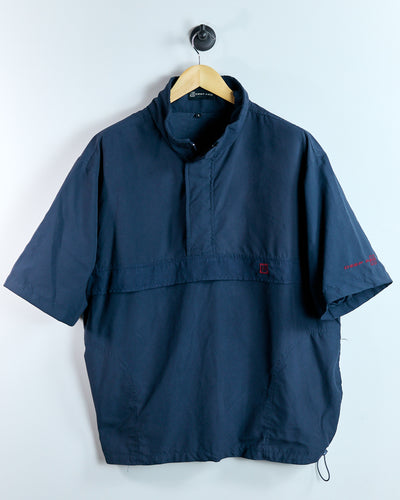
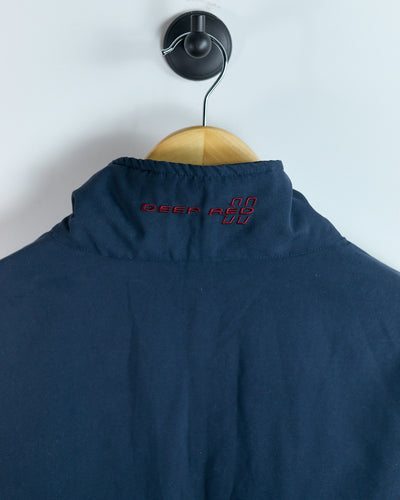
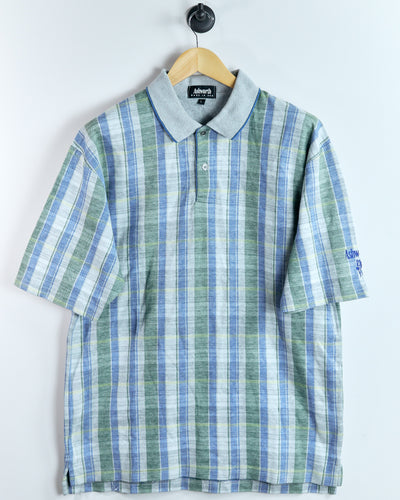
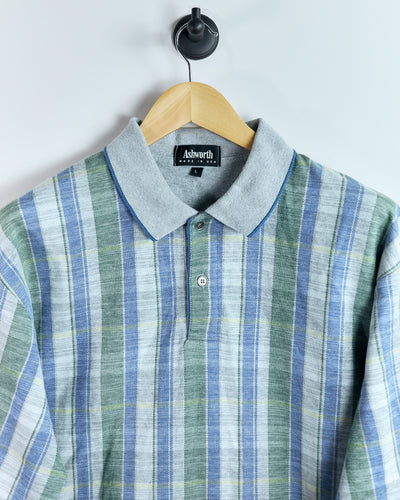
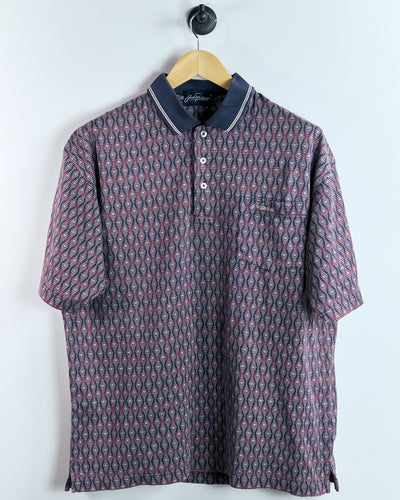
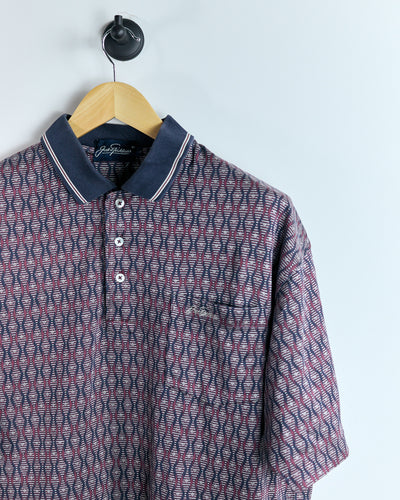
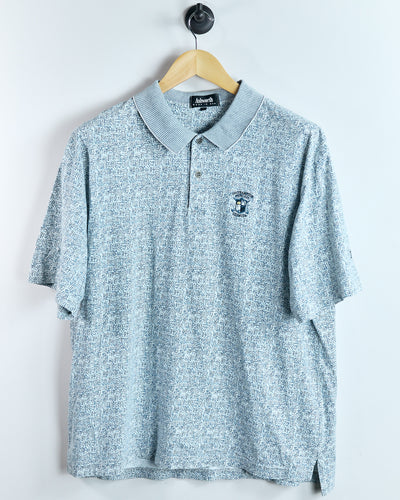
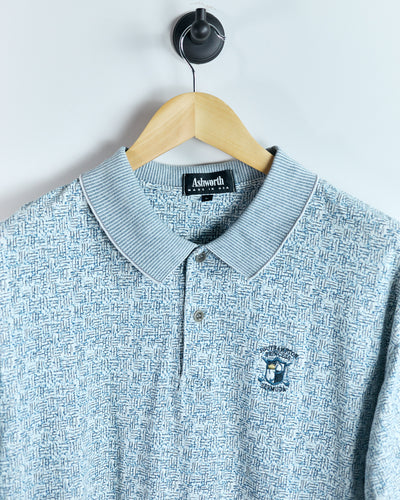
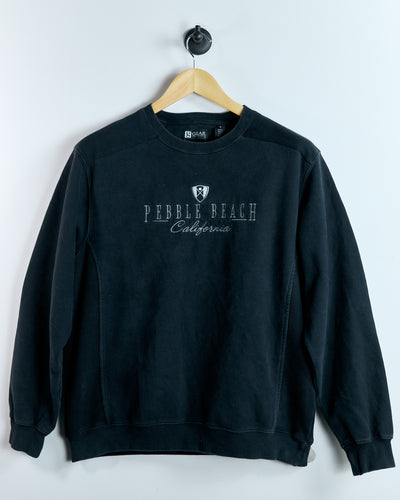
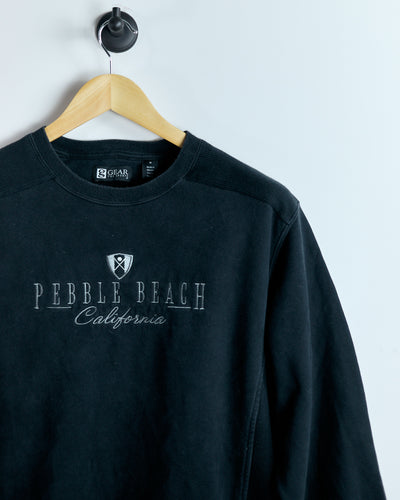
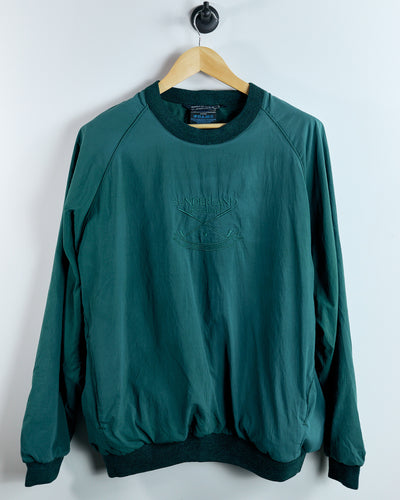
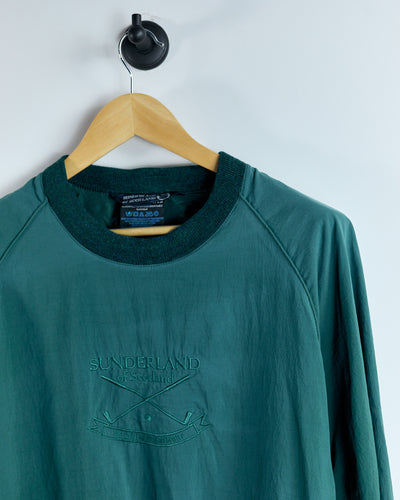
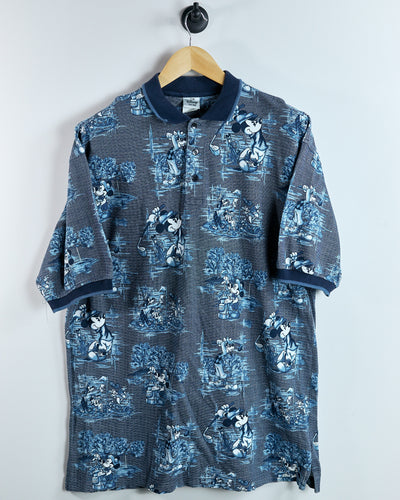
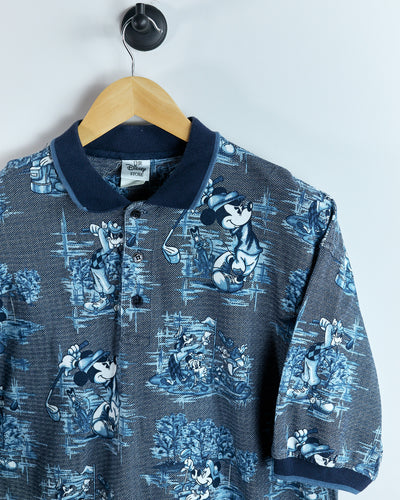
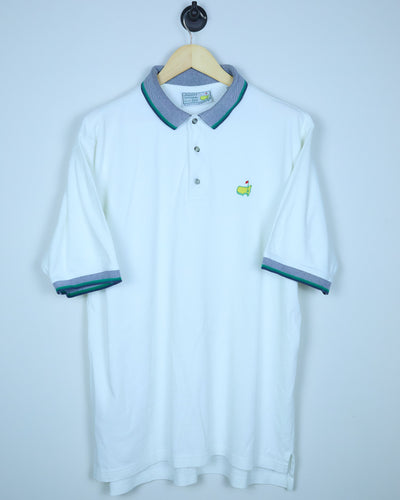
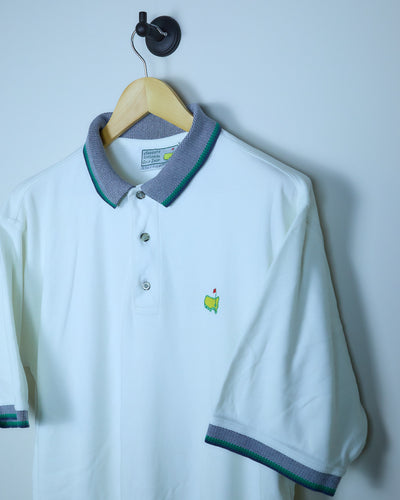
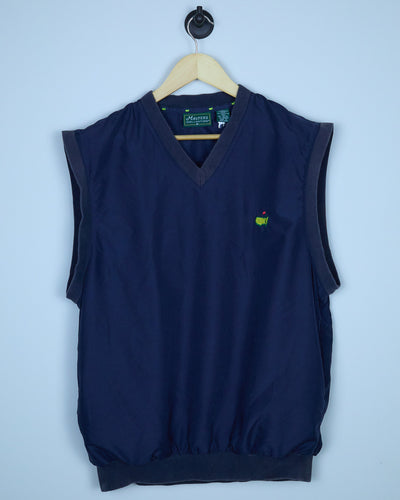
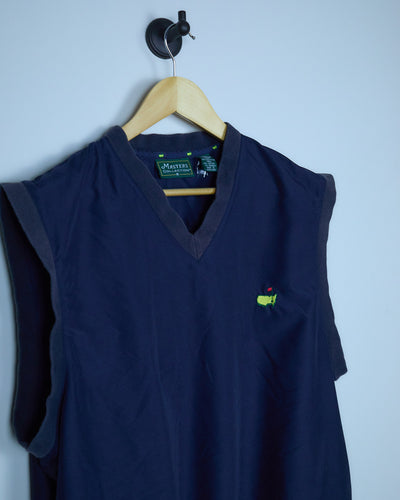
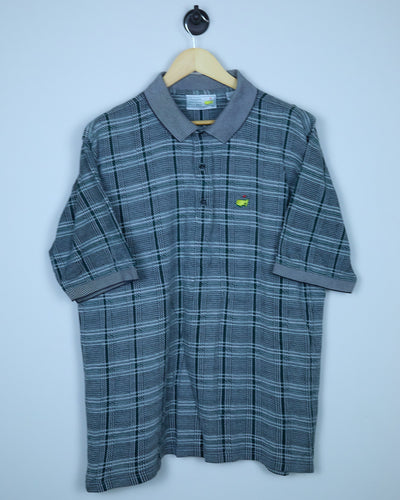
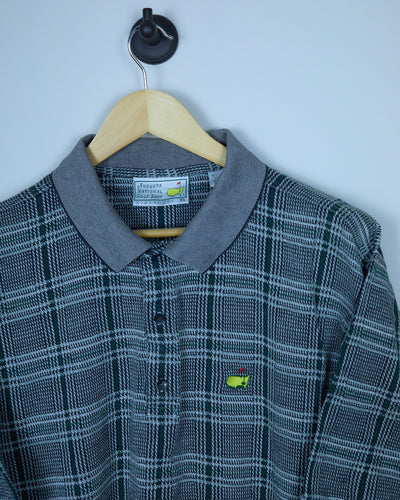
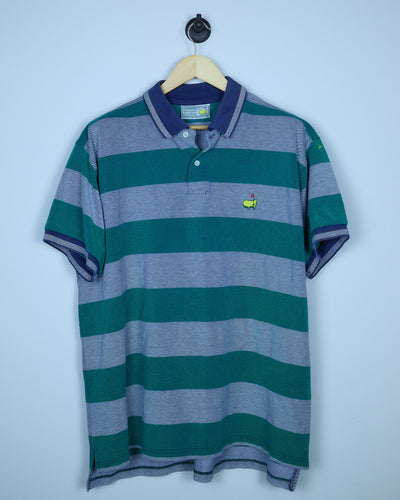
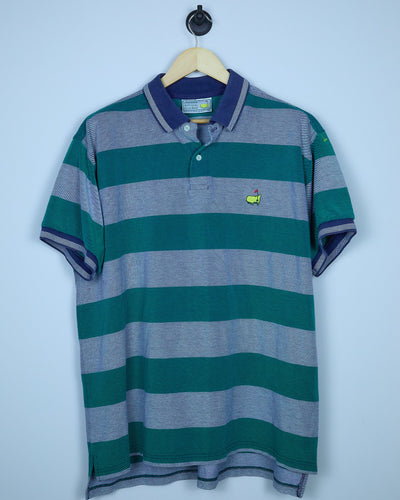
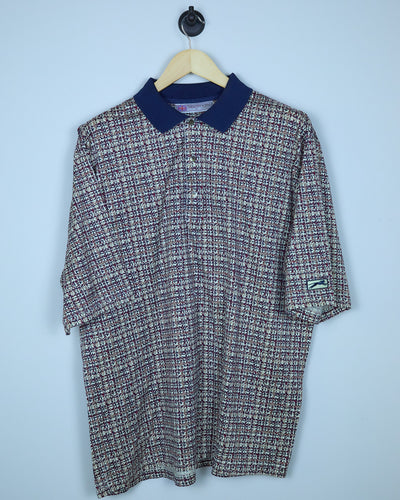
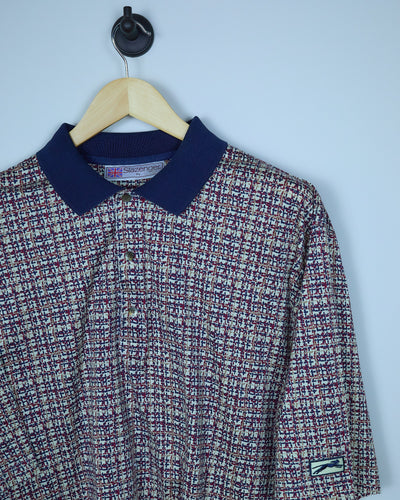
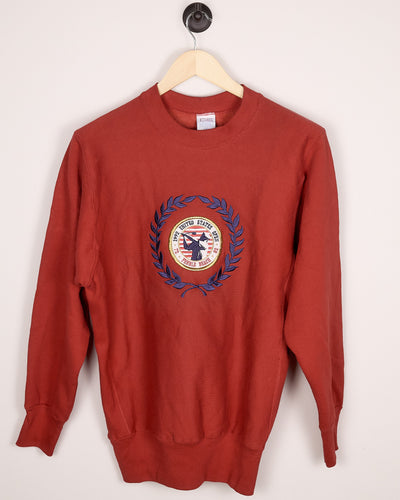
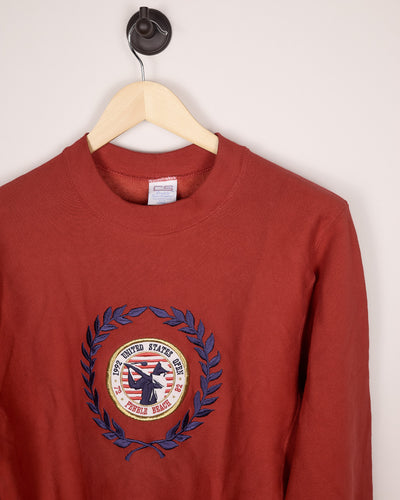
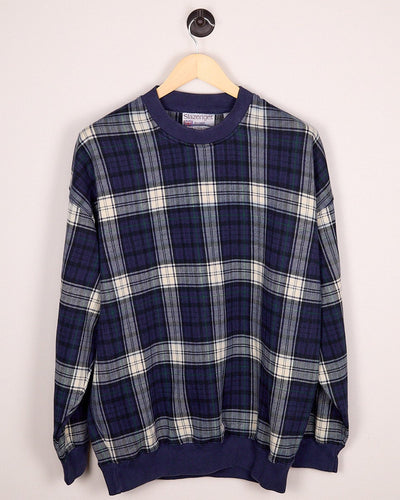
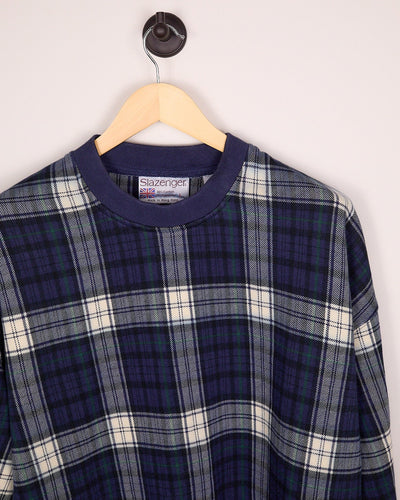
 SOLD OUT

The Brands That Shaped How Golf Dressed
Some of golf's most interesting clothing never came from the brands with the biggest tour budgets. The game's golden decades, the 1970s, 80s and 90s, produced a generation of labels that understood what golfers actually wanted to wear, and made it with a level of care that's difficult to find today.
Slazenger stitched itself into British golfing heritage across a century of championship golf. Ashworth brought California cool to a game that hadn't always welcomed it. Mizuno applied the same precision to its apparel as it did to the clubs that tour players trusted with their careers. And beyond these three, there are a dozen more names - Pringle, Lyle & Scott etc. with their own chapter in golf's wardrobe history.
What unites them is character. These weren't fast fashion brands producing volume for the mass market. They made clothes for people who played the game regularly, cared how they looked playing it, and expected what they wore to last. Decades on, the pieces hold up, in construction, in style and in the feel good factor it brings putting a vintage item on for the first time.
At Rules of Golf, this collection brings together the best of everything that doesn't fit neatly into a single brand page.
For those of you interested here's a bit more on a few of them.
Slazenger - The Heritage Brand That Dressed British Golf's Golden Age
Before performance fabrics and tour sponsorships dominated the fairways, Slazenger was the name stitched on the chest of serious British golfers! A brand with roots stretching back to 1881, Slazenger built its golf reputation across the same decades that shaped the modern game. From Wentworth to Sunningdale, from club professionals to touring amateurs who understood that how you dressed was part of how you played.
Slazenger vintage golf pieces carry a distinctly British character! Wool-blend knitwear, windbreakers cut for the links, and polo shirts that sat squarely in the tradition of understated club style. Their clothes were made to last, from places like Hong Kong and Macau, and lasted they have!
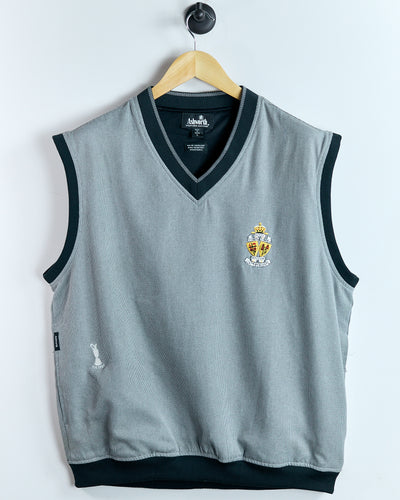
Today, original Slazenger golf clothing from the 1970s, 80s and 90s is increasingly sought after by collectors who recognise the brand's place in British sporting heritage. It shares shelf space with the names who played in it: Seve, Faldo, Woosnam, Langer. It even created tournament wear for the Masters!
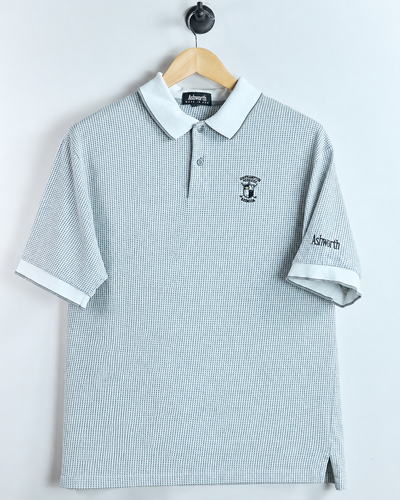
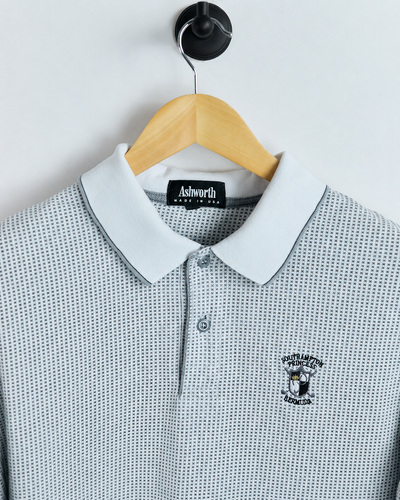
Ashworth - The American Brand That Made Golf Look Good
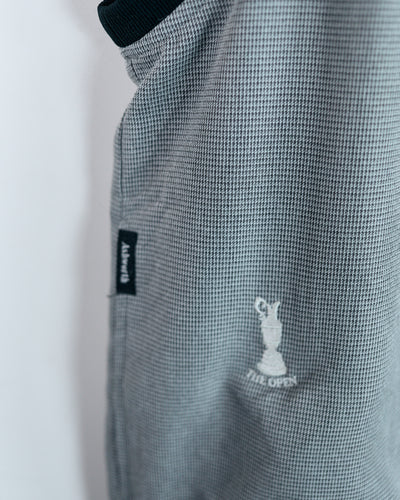
Founded in California in 1987, Ashworth built its reputation on a simple idea: golf clothing should be stylish enough to wear off the course. At a time when the game was dominated by loud patterns and synthetic fabrics, Ashworth produced relaxed cuts, earthy tones, soft cotton blends that appealed to a new generation of players who cared as much about how they looked as how they scored.
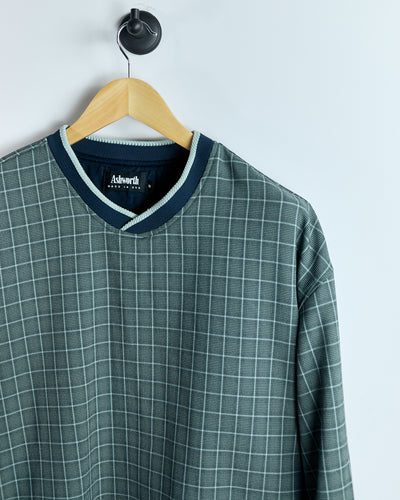
The brand found its audience quickly. Tour players, club members and casual golfers alike were drawn to the Ashworth as everyone love's a bit of California cool, while being respectful of golf's traditions! In its golden era through the late 1990s and early 2000s, Ashworth produced some of the most wearable vintage golf pieces on the market today.
Polo shirts with contrast edges, lightweight cotton outerwear, knitwear with a relaxed, lived-in feel. If Ashworth did loud, it was tasteful loud - plaid patterns and colour blocking that worked. These were clothes designed by people who played the game and wanted to look the part doing it!
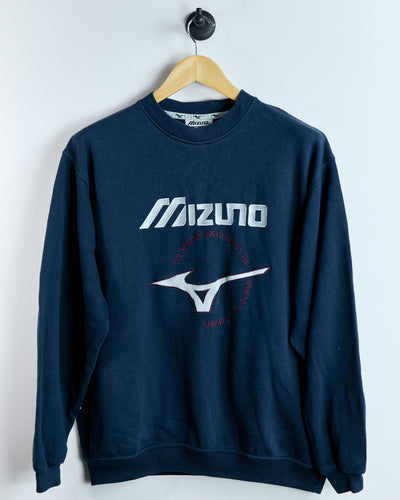
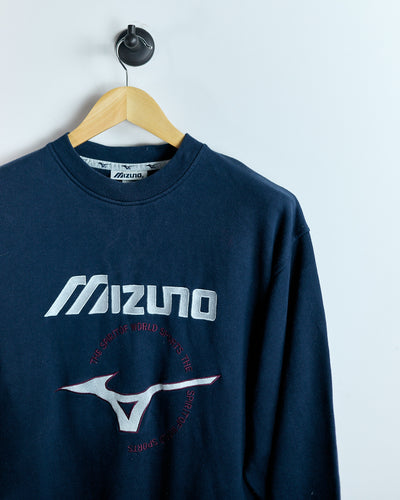
Mizuno The Japanese Precision That Earned Its Place On Tour
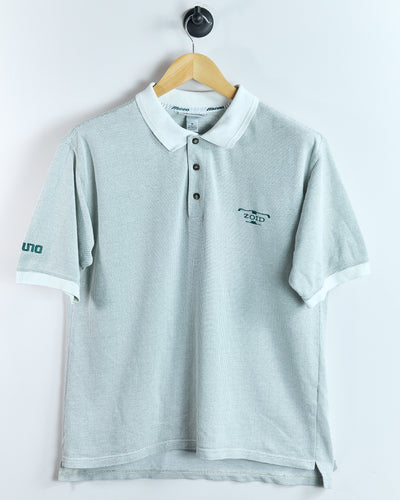
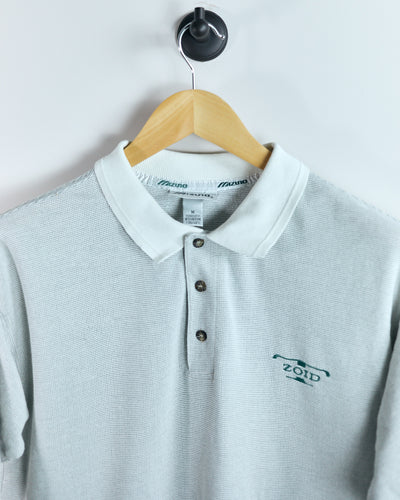
Mizuno has been making sporting goods since 1906, but it was on the fairways of the European Tour where the brand built its golf reputation. While the name is perhaps better known today for its irons - the kind that serious players obsess over - Mizuno's vintage apparel from the 1980s and 90s tells a quieter story: a Japanese brand that understood craft, brought it to the course and let the quality speak for itself.
The clothing reflected the same philosophy as the equipment. Mizuno golf apparel from this era has a distinctly European sensibility to it, not surprising given where the brand focused its tour presence. Knitwear with real weight, softshell pieces built for British and European conditions, polo shirts that sat neatly between functional and refined.
It was never the loudest brand on the rack, and that was the point. Mizuno dressed players who knew the difference between good and very good, and expected their clothing to meet the same standard as their clubs.